
Methanol

Methanol is a single-carbon alcohol with the chemical formula CH₃OH, recognized as one of the most important basic compounds in the chemical industry. This clear, colorless, volatile liquid has a low boiling point and is completely miscible with water and many organic solvents. This product is chemically very reactive, and for this reason, it is considered a key raw material or intermediate in the large-scale production of important chemicals such as formaldehyde, acetic acid, methyl amines, and polyesters. In recent decades, due to its suitable physical and thermodynamic properties, methanol has also gained attention as an energy carrier and alternative fuel in the transportation sector and power plants. This compound is considered one of the pillars of sustainable development in the petrochemical industry, especially in pathways aimed at reducing dependence on traditional fossil fuels and lowering greenhouse gas emissions. Methanol production methods are mainly based on reforming natural gas (methane) or coal, although new technologies like producing methanol from CO₂ and green hydrogen are also rapidly developing. Due to its high toxicity, flammable properties, and sensitivity to storage conditions, the transportation and use of this solvent require strict adherence to safety protocols, international standards, and technical guidelines. This is particularly important in downstream industries, chemical warehousing, and laboratory environments.
Methanol Sales
Methanol (CH₃OH) is considered one of the most important and widely used organic compounds in the chemical and petrochemical industries. This substance appears as a colorless, clear, volatile, highly polar, and flammable liquid with a sharp, characteristic alcoholic odor. Methanol is completely miscible with water and many organic solvents and is technically regarded as an industrial solvent, basic raw material, and energy carrier. In the past, methanol was produced by distilling wood, but today its industrial production is mainly carried out through steam reforming of natural gas or sometimes from coal and syngas. This product is widely used in the production of formaldehyde, acetic acid, methyl tert-butyl ether (MTBE), methyl amines, melamine and urea resins, synthetic fibers, antifreeze, alternative fuels, and also as a direct fuel in some fuel cell systems.
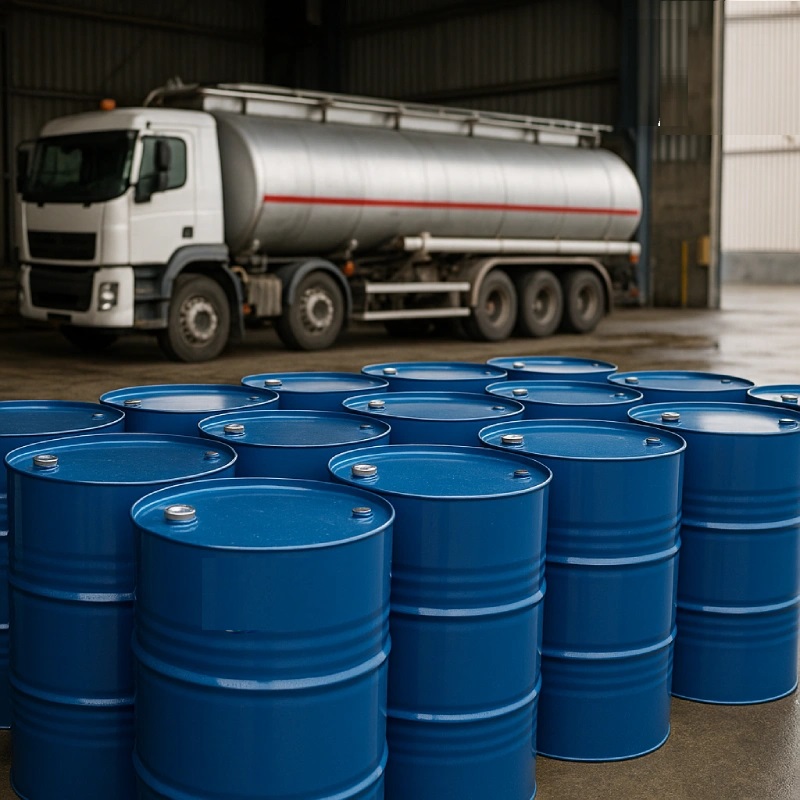
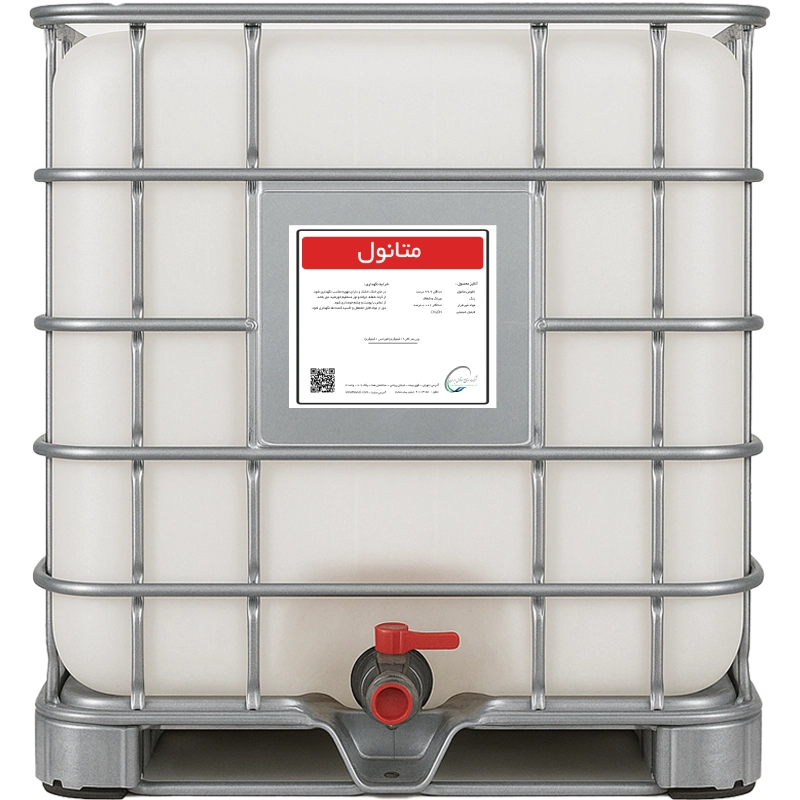
From a safety perspective, this solvent is a highly toxic substance, and even a small amount inhaled, swallowed, or absorbed through the skin can lead to blindness, nerve damage, or death. Therefore, its transport, storage, and use must comply with international standards such as MSDS, GHS, NFPA, and hazardous materials transport regulations. In the market, methanol is sold in bulk, via tankers, or in drums on a large scale, and due to its diverse applications, it has high demand in downstream industries. In Iran, it is produced by major petrochemical complexes such as Zagros, Fanavaran, Kharg, Marjan, and Bushehr, with a large portion exported to Asian and European countries. Its price depends on several factors including gas feedstock rates, exchange rates, global oil prices, and transportation costs. Trading companies active in the chemical sector supply methanol in bulk, in industrial grade with 99.85% purity or higher. Major buyers of this product include resin manufacturers, paint and coating companies, solvent production industries, and refining and fuel companies. When purchasing industrial methanol, attention to detailed analysis, purity, quality control certificates, and packaging and transport conditions is very important.
Methanol
Properties of Methanol
Methanol possesses a set of unique physical and chemical properties that have made it one of the most widely used base materials in industries. This substance is known as a colorless, clear, light, volatile, and flammable liquid with a pungent, alcoholic odor. A low boiling point (approximately 64.7°C), a very low freezing point (-97.6°C), and low density (approximately 0.791 g/cm³) are among its key physical properties. Methanol has high polarity and, therefore, is considered an excellent solvent for organic and inorganic compounds. It also mixes easily with water, ethanol, acetone, and many other organic solvents. This compound is stable at normal temperature and pressure, but is very sensitive to heat and flame, and its vapors can mix with air, creating an explosion hazard. On the other hand, its high toxicity and dermal absorption capacity necessitate strict adherence to safety requirements at all stages of use, storage, and transport